Watercolor Floral Embroidery: Soft Charm Meets Practical Design
First Impressions: A Delicate, Versatile Aesthetic
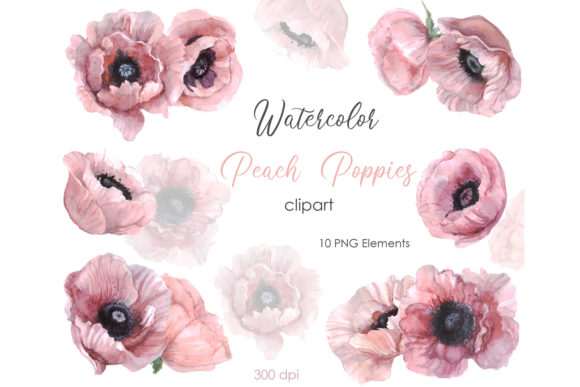
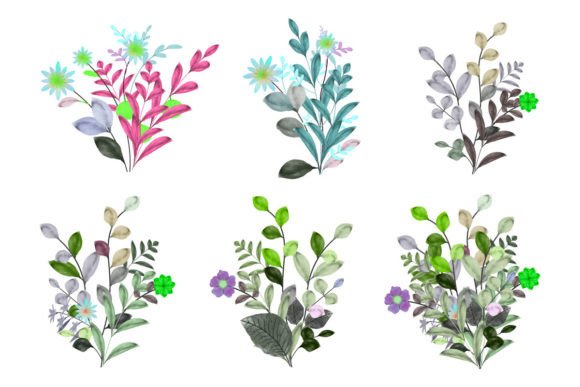
Digital Clipart Watercolor Floral brings a soft, painterly touch to embroidery projects. The design mimics hand-painted brushstrokes with gentle color transitions, making it feel artistic yet accessible. At a glance, it reads as both modern and nostalgic—perfect for makers aiming to blend traditional craftsmanship with contemporary style. The floral layout is balanced, not too dense, and offers enough detail to stand out without overwhelming the fabric.
This type of illustration works well for crafters and Etsy sellers who want to evoke a sense of calm and creativity in their finished product. Whether used on a tote bag, a baby onesie, or a boutique pillow cover, the watercolor aesthetic brings a lightness that appeals to a wide audience, especially those drawn to natural motifs and soft color palettes.
Real-Life Embroidery Use: From Sweatshirts to Holiday Gifts
I recently tested Digital Clipart Watercolor Floral on a custom embroidered sweatshirt for a boutique client. I chose a light gray fabric to let the watercolor tones breathe. The result was lovely—soft edges and blended colors gave the piece a unique, handcrafted feel. The satin and fill stitches handled the color gradients surprisingly well, and the overall design didn’t flatten out too much after stitching, which is a common issue with watercolor-style embroidery.
For personalized gifts like tea towels or baby bibs, this design adds a subtle, elegant touch. It’s also a strong contender for holiday embroidery—imagine a watercolor poinsettia on a red kitchen towel or a soft lavender wreath on a linen pillow for spring. The key is to match the fabric texture and background to the design’s delicate nature.
Commercial Appeal and Etsy Readiness
As a digital product seller, I often look for embroidery files that are easy to market and adaptable. Digital Clipart Watercolor Floral fits the bill. Its illustration style is versatile enough to be used across multiple product lines—custom apparel, nursery decor, embroidered patches, and even printable mockups for digital sellers. It’s the kind of design that Etsy buyers will appreciate for its flexibility and aesthetic appeal.
From a branding perspective, this design helps small businesses maintain a cohesive visual identity. Whether you're embroidering boutique packaging or creating a line of embroidered home goods, the softness of the watercolor effect adds a professional, curated touch without being overly trendy.
Where to Use with Care
While Digital Clipart Watercolor Floral performs well in many applications, there are some limitations to consider. On stretchy or textured fabrics like sweatshirt fleece or knits, the finer details can blur or distort slightly during stitching. I recommend using a quality stabilizer and testing on a sample swatch before committing to the final product.
Dark fabrics also pose a challenge. The light, blended tones of the watercolor may not stand out as intended unless you add a white underlay or choose a contrasting thread color. Similarly, on curved surfaces like baseball caps, the design might lose some of its softness due to hoop placement and fabric tension. For these cases, a simplified version or a smaller scale might be more effective.
Also, be cautious with small hoop sizes. The floral layout is best suited for medium to large hoop embroidery to preserve the detail and flow of the watercolor effect. If you're planning to use this in a layered garment or a detailed corner of a tote bag, double-check the stitch density and thread color contrast to avoid muddiness.
Stitching Clarity and Fabric Considerations
One of the most important aspects of using Digital Clipart Watercolor Floral effectively is stitch clarity. Since the design mimics brushstrokes, it's crucial to ensure that the satin and fill stitches don’t flatten the intended texture. I found that using a slightly lower stitch density helped preserve the soft look while still maintaining durability.
Thread color selection is also key. The design likely uses a range of pastels and mid-tones, so matching thread shades precisely will enhance the watercolor illusion. I recommend stitching a test version in black and white first to evaluate contrast and detail retention before diving into color work.
Design Notes for Embroidery Professionals
- Test on scrap fabric: Always run a sample to see how the watercolor effect holds up under actual stitching conditions.
- Check thread color contrast: Make sure the chosen thread palette complements the original illustration without washing out the details.
- Review stitch density: Adjust if necessary to keep the soft look without compromising durability.
- Confirm hoop size: Ensure the design fits within your hoop without crowding or distortion.
- Inspect small details: Look for any fine lines or soft edges that might get lost in stitching.
- Test in black and white: Helps identify contrast issues and detail clarity before committing to color.
- Compare light and dark backgrounds: The design may perform differently depending on fabric color.
- Use proper stabilizer: Especially important on stretchy or textured materials to prevent shifting or distortion.
- Check commercial use licensing: Confirm whether the design can be used for resale, especially for Etsy sellers or small shop owners.
Final Thoughts: A Thoughtful Addition to Your Embroidery Library
Digital Clipart Watercolor Floral is a well-crafted embroidery illustration that brings a soft, artistic edge to a wide range of handmade and commercial products. Whether you're creating personalized gifts, boutique apparel, or digital mockups for your shop, this design offers both visual appeal and practical usability.
It’s especially well-suited for crafters who want to elevate their work with a painterly aesthetic without sacrificing clarity or stitch performance. With a bit of planning and fabric consideration, it can become a go-to embroidery file for seasonal items, custom embroidery, and small business merchandise.