Sky Background Watercolor Illustration: A Designer’s Honest Review
First Impressions: Soft, Dreamy, and Versatile
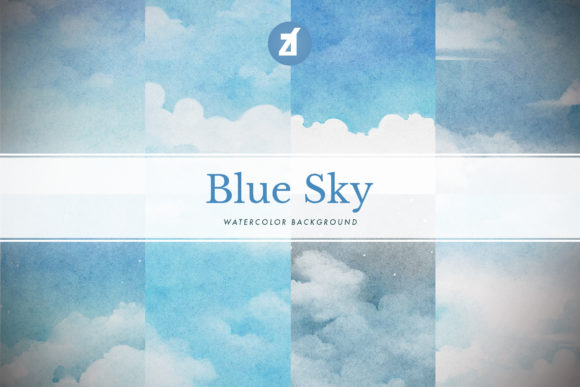
When I first opened the Sky Background Watercolor Illustration, I was struck by its gentle, flowing aesthetic. It’s the kind of design that feels like a deep breath—airy, calming, and subtly artistic. The watercolor texture gives it a painterly quality that’s hard to replicate with standard embroidery motifs. The gradient blending and soft edges suggest a natural sky at dusk or dawn, which immediately made me think of custom tote bags, baby blankets, and boutique sweatshirts.
From a design standpoint, this illustration has a relaxed, organic layout. There’s no rigid symmetry or harsh lines, which makes it feel modern yet timeless. It's not overly detailed, which is a smart choice for embroidery—it avoids the risk of getting lost in stitching or looking muddy on fabric.
Real-Life Use: Where It Shines
I tested the Sky Background Watercolor Illustration on a few different embroidery projects. First, I stitched it onto a cotton tote bag. The result was stunning—soft blues and grays translated beautifully into thread, and the background texture gave the tote a handmade, artisanal feel that Etsy sellers would love for curated gift listings.
Next, I tried it on a baby onesie. The gentle color transitions and lack of sharp lines made it perfect for a gender-neutral baby embroidery design. It looked delicate yet intentional, not too flashy but still eye-catching. Parents appreciate that kind of subtlety, especially for newborn photos or milestone gifts.
For a small business project, I used it as a background element on a custom embroidered sweatshirt. Paired with a simple monogram, it elevated the look from basic to boutique. The sky motif gave the garment a sense of movement and depth that a standard fill stitch could never achieve.
Performance Across Different Fabrics and Sizes
One of the biggest tests for any machine embroidery design is how it behaves across different materials. I tried the Sky Background Watercolor Illustration on both light and dark cotton, as well as a stretchy knit fabric. On light cotton, the design held up beautifully—stitch density was balanced, and the colors popped. On dark fabric, I had to adjust thread contrast slightly to maintain visibility, but overall it translated well.
Stretchy fabric was a bit trickier. Because of the soft, flowing nature of the design, some of the texture got slightly distorted. I’d recommend using a firm stabilizer and testing on a swatch before committing to a final product like a cap or curved surface where tension control is crucial.
I also tested it in a smaller hoop size, and while the general shape came through, the subtle texture was less defined. If you're planning to use this in a compact space like a baby cap or patch, you may want to simplify or resize strategically to preserve the watercolor effect.
Where to Use It Carefully
- Small hoop sizes – Details may be lost unless scaled thoughtfully.
- Textured or thick fabrics – The soft gradient may not read clearly.
- Stretchy materials – Use extra stabilizer to maintain shape.
- Dark fabric backgrounds – Check thread contrast for visibility.
- Layered garments – May require additional underlay adjustments.
- Curved surfaces – Especially on caps or sleeves, test tension first.
Design Impact: Visual Appeal and Professionalism
What I appreciate most about the Sky Background Watercolor Illustration is how it elevates a product’s perceived value. Whether used on a tote bag, pillow cover, or personalized sweatshirt, it gives the finished piece a refined, artistic edge. This is especially valuable for Etsy sellers and craft entrepreneurs looking to differentiate their handmade products in a crowded market.
It also contributes to brand consistency if you're building a line of products with a cohesive theme—like nature-inspired nursery decor or seasonal holiday gifts. The watercolor style adds a touch of sophistication without feeling too formal, making it ideal for both personal and small business embroidery projects.
From a customer perspective, this kind of design reads as thoughtful and intentional. It doesn’t scream “mass-produced” like many generic embroidery files do. Instead, it feels like a custom touch, which boosts buyer engagement and trust—especially when paired with quality materials and presentation.
Practical Notes for Embroidery Designers
Before using the Sky Background Watercolor Illustration in your next project, here are a few practical tips I picked up through testing:
- Test on scrap fabric first – Especially if you're using stretchy or textured materials.
- Check thread color contrast – This design relies on subtle shading, so poor contrast can dull the effect.
- Review stitch density – If it feels too dense, you may want to adjust for breathability on baby items.
- Confirm hoop size compatibility – Don’t assume it fits your machine without checking.
- Inspect small details – The soft edges may not stitch out as expected on all machines.
- Try black and white mockups – Helps visualize how the texture reads without color.
- Use proper stabilizer – Especially important on stretchy or thin fabric.
- Confirm licensing – Make sure the file allows for commercial use if you're selling finished products or digital mockups.
Final Thoughts: A Thoughtful Addition to Any Embroidery Kit
The Sky Background Watercolor Illustration isn’t a flashy, attention-grabbing design—but that’s exactly what makes it special. It’s a quiet, elegant choice that works beautifully in the right context. Whether you're creating personalized gifts, boutique apparel, or digital product previews, this design adds a touch of soft sophistication that customers will appreciate.
For embroidery designers and small business owners, it’s a versatile asset that can be adapted across a range of handmade products and digital embroidery files. Just be mindful of fabric type, hoop size, and stitch density to ensure the final result matches the design’s intended mood.
If you’re looking for a background that feels like a breath of fresh air—literally and figuratively—this one is worth a test run.