Typewriter Watercolor Writer Clipart: A Nostalgic Touch for Local Brand Illustrations
First Impressions: Soft, Handmade, and Timelessly Elegant
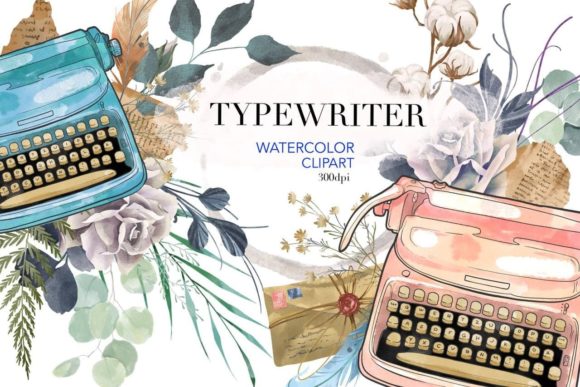
As a brand designer working with local businesses, the first thing I noticed about the Typewriter Watercolor Writer Clipart is its gentle, artistic charm. The watercolor texture combined with the classic typewriter shape evokes a sense of nostalgia and craftsmanship. This design asset feels handmade, slightly whimsical, and undeniably warm—perfect for brands that want to convey authenticity and a personal touch.
Brand Personality It Suggests
This clipart suggests a brand personality that’s thoughtful, creative, and rooted in tradition. It works especially well for small businesses in the handmade, artisanal, or storytelling-driven niches. Think of a local bakery with handwritten menus, a boutique candle brand, or a skincare line that prides itself on natural ingredients. The Typewriter Watercolor Writer Clipart fits right into a brand identity that values history, creativity, and a human-centered approach.
Real-World Use: From Bakery Labels to Seasonal Packaging
Let’s imagine designing for a local coffee shop launching a new line of limited-edition holiday blends. The Typewriter Watercolor Writer Clipart could be used to frame the product name on the label, giving it a vintage, artisanal feel. It could also be repurposed as a decorative header on thank-you cards or as a central graphic in social media posts announcing the new seasonal flavors.
In another scenario, a handmade soap business could use the typewriter illustration to highlight the story behind each scent—like “Lavender Fields” or “Citrus Grove.” It adds a soft, editorial quality to product packaging and supports the brand’s narrative of care and craftsmanship.
How It Elevates Brand Presentation
Using the Typewriter Watercolor Writer Clipart in branding and packaging design can significantly improve the overall customer experience. It helps create a stronger first impression by drawing the eye with its soft, organic lines. It also supports better product recognition when used consistently across packaging and promotional materials.
- Clearer visual hierarchy through elegant, illustrative focal points
- More consistent brand identity across digital and print materials
- Improved customer trust through thoughtful, cohesive design
- Better shelf appeal with a touch of vintage charm
- Stronger emotional connection through nostalgic design elements
Where It Works Best
This graphic design asset shines in contexts where storytelling and aesthetic appeal are key. Here are the top use cases I recommend:
- Product labels – especially for food, beverage, and beauty brands
- Packaging accents – to frame product names or taglines
- Hero graphics on social media posts or website banners
- Decorative brand elements in editorial-style packaging inserts
- Promotional banners for seasonal campaigns or new product launches
- Product mockups to visualize how a label or packaging design will look in real life
- Thank-you cards or packaging inserts for a personalized touch
- Seasonal packaging like holiday editions or limited-run items
- Boutique visuals for small retail shops or artisanal brands
- Social media campaign graphics that emphasize storytelling and brand values
Where to Use It Carefully
While the Typewriter Watercolor Writer Clipart is versatile, it’s not ideal for every design context. Avoid using it in situations where clarity and minimalism are key:
- Formal corporate branding – where a clean, modern look is preferred
- Very small labels – the watercolor texture may get lost
- Crowded product packaging – where the design could compete with other elements
- Ingredient-heavy layouts – the clipart may distract from necessary text
- Low-contrast backgrounds – where visibility is compromised
- Luxury minimalist brands – which rely on clean, understated visuals
- Legal information areas – where design should be secondary to content
Practical Designer Notes Before Implementation
Before incorporating the Typewriter Watercolor Writer Clipart into your small business branding project, here are a few practical checks to perform:
- Test it on real packaging mockups to see how it interacts with texture and lighting
- Check black and white usage to ensure it still reads well in monochrome
- Preview it on small labels to confirm legibility and clarity
- Test it with brand colors to ensure compatibility and contrast
- Compare it with competitor packaging to maintain visual differentiation
- Check print quality if using for physical product packaging or labels
- Review PNG transparency to ensure clean integration into layered designs
- Inspect SVG or vector editability if you need to tweak details or scale it up
- Test it beside serif, sans-serif, script, and display fonts to find the best typographic pairing
- Confirm commercial licensing before using it for client work or physical product sales
Final Thoughts: A Thoughtful Design Asset for Story-Driven Brands
The Typewriter Watercolor Writer Clipart is more than just a decorative element—it’s a storytelling tool for local brands that want to connect with their audience on a deeper level. Whether you’re designing packaging for a new line of herbal teas or creating a cohesive brand identity for a small bookstore, this illustration can add a layer of warmth, personality, and sophistication.
For small business owners and creative entrepreneurs, investing in the right illustrations and graphic design assets can make a world of difference in how your brand is perceived. The Typewriter Watercolor Writer Clipart is a smart, versatile addition to your toolkit—especially when used thoughtfully in product packaging, promotional visuals, and brand storytelling.