Enhancing Visual Storytelling with Magic Watercolor Clipart
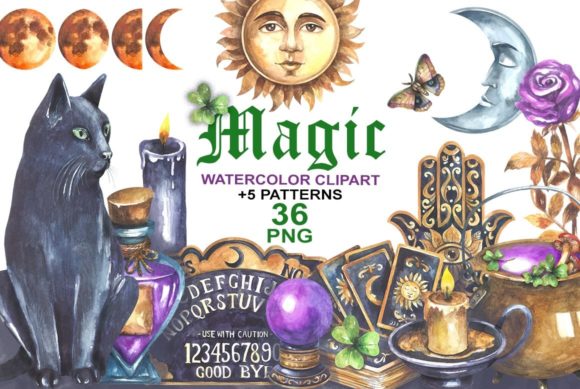
As a blog designer and digital publisher, I’m always on the lookout for high-quality design assets that can elevate editorial content and bring a unique visual flair to a website. Recently, I had the chance to explore Magic Watercolor Clipart — a collection of hand-painted illustrations that immediately caught my eye for their soft textures, organic flow, and artistic authenticity. This isn’t just another clipart pack; it’s a visual storytelling tool that feels perfectly suited for bloggers, educators, and creative entrepreneurs who want to add a touch of warmth and personality to their digital presence.
First Impressions: A Breath of Artistic Fresh Air
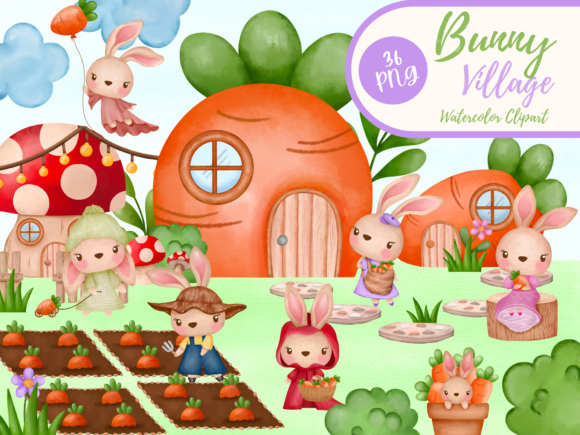
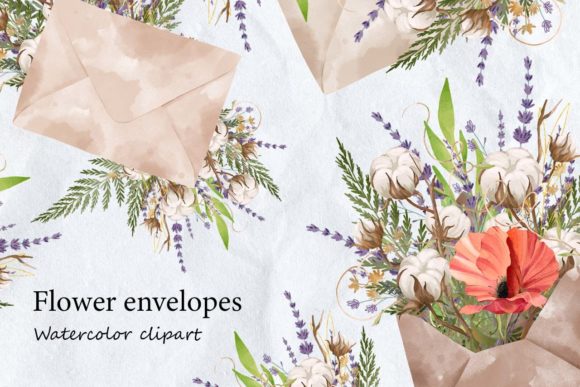
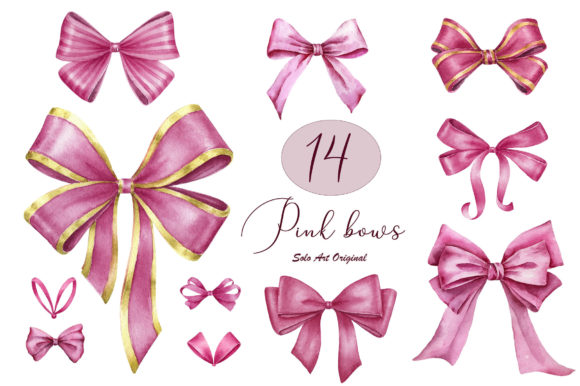
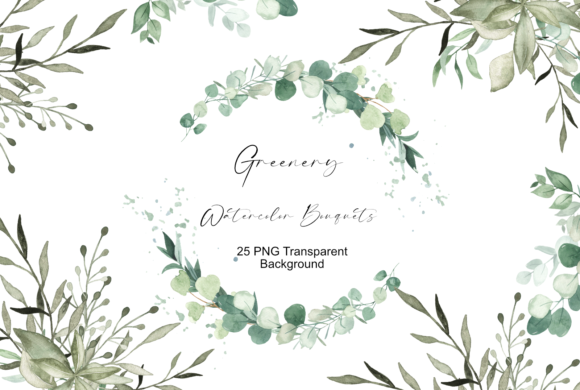
The first thing I noticed about Magic Watercolor Clipart was the mood it evokes — it’s inherently lifestyle-focused, playful, and feminine, with a hint of seasonal charm. The brushstrokes are fluid, the colors are soft yet vibrant, and the imperfections feel intentional, giving the illustrations a handmade quality that’s hard to replicate digitally. For content creators in niches like wellness, home decor, personal development, or parenting, this graphic design asset offers a visual language that feels both approachable and inspiring.
Real-World Publishing Use Cases
I tested the clipart across a variety of real publishing scenarios, and it performed impressively well. Here's where it truly shines:
- Featured Images – When layered subtly into blog headers, the watercolor textures add depth without overpowering the headline.
- Pinterest Graphics – The organic shapes and soft color gradients make for eye-catching Pinterest pins that stand out in a feed.
- Newsletter Banners – Used as background accents or icons, they bring a personal touch to email marketing layouts.
- Downloadable Resources – Ideal for digital guides, worksheets, and lead magnets where visual appeal enhances perceived value.
- Canva Templates – These illustrations integrate seamlessly into Canva-based design workflows, making them accessible even for non-designers.
Boosting Content Performance with Visual Appeal
In the world of content marketing and affiliate marketing, first impressions matter. Magic Watercolor Clipart contributes to a stronger visual hierarchy by guiding the reader’s eye naturally through the layout. Whether it's a soft divider in a digital guide or a subtle background for a social media post, these illustrations help create a more cohesive brand identity and editorial tone.
When used consistently, they also build reader trust and category recognition. For instance, using a signature watercolor element in all your blog headers or eBook covers helps establish a visual fingerprint that audiences begin to associate with your brand. This kind of brand identity development is especially valuable for small business branding and niche content creators looking to stand out in crowded digital spaces.
Where Magic Watercolor Clipart Works Best
This design asset is particularly effective in the following publishing contexts:
- Hero Images – As a background overlay or focal point, it adds a painterly elegance.
- Article Thumbnails – Works beautifully when combined with bold typography and clean layouts.
- Content Upgrades – Enhances the visual appeal of downloadable printables and lead magnets.
- Editorial Accents – Perfect for section dividers, quote highlights, or sidebar elements.
- Social Media Previews – Offers a soft, approachable aesthetic ideal for Instagram Stories or Facebook posts.
Where to Use It with Caution
While Magic Watercolor Clipart brings a lot of visual charm, it’s not a one-size-fits-all solution. I found that it works best when given enough breathing room in the layout. Here are a few situations where you might want to use it more carefully:
- Small Mobile Thumbnails – The fine details can get lost at very small sizes.
- Text-Heavy Blog Images – Busy textures may reduce readability if not balanced properly.
- Low-Contrast Backgrounds – May blend too much with light or muted color schemes.
- Corporate or Minimalist Websites – Its artistic nature may feel out of place in serious or ultra-clean design systems.
Publisher’s Checklist: What to Test Before Publishing
Before fully integrating Magic Watercolor Clipart into your blog or digital product, here are a few practical tests I recommend running:
- Preview on Mobile – Ensure it scales well and maintains clarity on smaller screens.
- Check Thumbnail Visibility – Make sure the design elements are still recognizable when compressed.
- Test with Headline Text – Overlay different font styles (serif, sans-serif, script, display) to see which combinations work best.
- Review File Size – Optimize for web performance to avoid slowing down your site.
- Confirm Licensing – Always verify that the clipart includes a commercial license for use in monetized content or affiliate marketing.
Final Thoughts: A Versatile Design Asset for Creative Publishers
Overall, Magic Watercolor Clipart is a compelling addition to any content creator’s toolkit. Whether you're designing a digital guide, crafting a newsletter, or building a Pinterest strategy, this graphic design asset delivers both aesthetic value and functional versatility. It’s especially well-suited for those in creative, lifestyle, or educational niches looking to enhance their visual communication and build a more professional-looking content page.
For digital publishers who want to maintain a consistent visual identity while keeping their content fresh and engaging, Magic Watercolor Clipart offers a smart, flexible, and beautifully crafted solution. Used thoughtfully, it can transform your editorial design and help your content stand out in a visually saturated online world.